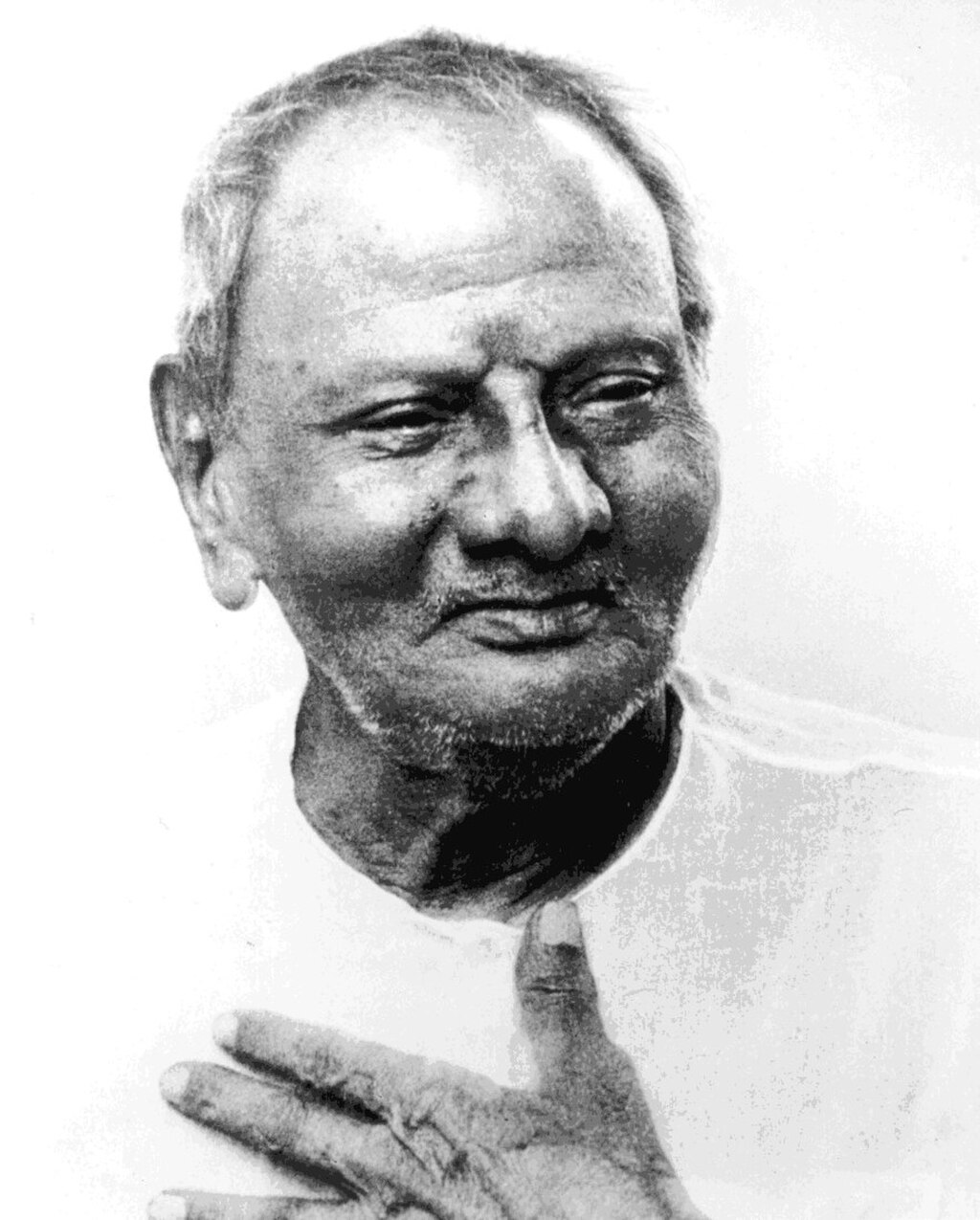
Embracing the Unfolding: The Wisdom of Acceptance
Nisargadatta Maharaj's profound assertion, "What is must be," invites us into a contemplative space where acceptance of reality becomes a pathway to deeper understanding. This statement encapsulates the essence of non-duality, urging us to recognize the inherent necessity of existence as it presents itself. In a world often marked by resistance and desire for change, this teaching challenges us to embrace the present moment, acknowledging that what is unfolding before us carries its own significance and purpose.
At its core, this quote speaks to the heart of our relationship with reality. It compels us to confront the tension between our desires and the actual state of affairs. In a society that frequently promotes the idea of control and manipulation over our circumstances, Maharaj's words serve as a gentle reminder that acceptance is not a passive resignation but an active engagement with life as it is. This distinction is crucial, for it invites us to cultivate a sense of peace and clarity amidst the chaos of our thoughts and emotions.
The image / the metaphor
Diving deeper into the metaphor, we can see that 'what is' encompasses not only the external world but also our internal landscape of thoughts and feelings. The phrase encourages us to acknowledge our emotions, experiences, and the reality of our circumstances without judgment. This acceptance does not imply complacency; rather, it opens the door to a more profound engagement with life, allowing us to respond to situations with clarity and wisdom rather than reactionary impulses.
In the speaker's tradition
Nisargadatta Maharaj's teachings are rooted in the non-dual tradition, which emphasizes the interconnectedness of all existence. Concepts such as *sunyata* (emptiness) and *fana* (annihilation of the self) resonate deeply with the idea that acceptance of reality is a pathway to liberation. In this context, 'what is must be' reflects the understanding that the true nature of reality transcends dualistic notions of good and bad, right and wrong. Acceptance becomes a form of *dharma*, aligning ourselves with the natural flow of life rather than resisting it.
In his seminal work, *I Am That*, Maharaj often points to the illusion of separateness that arises from our attachments and aversions. He invites us to see beyond the transient nature of our thoughts and emotions, urging us to recognize the eternal presence that underlies all phenomena. This perspective aligns with the Buddhist concept of *prajna*, or wisdom, which encourages us to perceive reality as it truly is, free from the distortions of our desires and fears.
Living the teaching
Consider a modern scenario where this teaching can be applied: imagine facing a challenging situation at work, perhaps a project that is not going as planned. The instinctive response might be to resist the reality of the situation, to feel frustration or anxiety about the outcome. However, embracing the teaching of 'what is must be' allows for a shift in perspective. Instead of resisting, one can acknowledge the current state of affairs, assess the situation with clarity, and respond thoughtfully, leading to more effective problem-solving and collaboration.
In the realm of relationships, this teaching can be particularly transformative. When conflicts arise, the tendency is often to cling to our viewpoints or to wish the other person would change. By practicing acceptance of 'what is,' we can create space for understanding and compassion. This does not mean we condone harmful behavior, but rather that we recognize the reality of the other person's experience, allowing for a more open dialogue and the possibility of resolution. In daily practice, this could manifest as a commitment to mindfulness, where we observe our thoughts and feelings without judgment, fostering a deeper connection to ourselves and others.
A reflection
As we contemplate the wisdom encapsulated in Nisargadatta Maharaj's words, we are invited to reflect on our own relationship with acceptance. What areas of your life are you resisting? In what ways might embracing 'what is' lead to greater peace and understanding? Allow this inquiry to guide you into a deeper exploration of your own experiences, recognizing that acceptance is not an endpoint but a continuous journey toward greater awareness and connection with the unfolding of life.



Join the BrightStar Community
Stay connected with daily inspiration, event announcements, and community wisdom