The Journey Within: Embracing the Question of Self
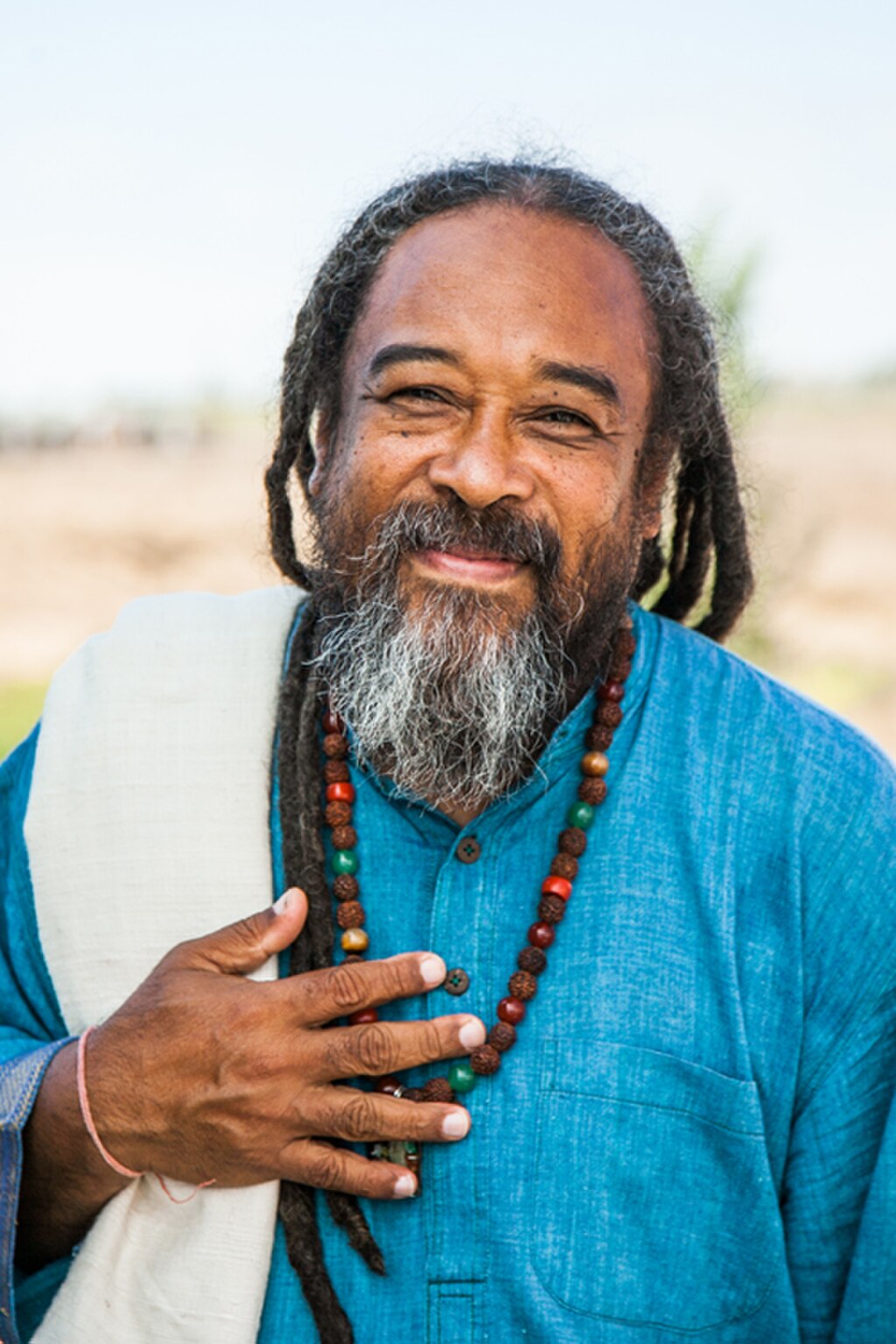
In the profound words of Mooji, "Who am I? Sit with this question and let it open you." This invitation to inquiry beckons us to explore the depths of our own existence, urging us to peel back the layers of identity that often obscure our true nature. The stakes are high; in a world filled with distractions and superficial definitions of self, the quest for authentic understanding can lead to liberation or entrapment. To engage with this question is to embark on a journey that transcends mere intellectual curiosity, inviting a transformative experience that can reshape our perception of reality.
As we delve deeper into this inquiry, we recognize that the question "Who am I?" is not merely a philosophical exercise but a profound spiritual practice. It calls us to confront the narratives we have constructed about ourselves, the roles we play, and the beliefs we hold. This process of self-inquiry is not always comfortable; it requires courage to face the unknown and to embrace the vulnerability that comes with shedding preconceived notions. Yet, it is precisely through this discomfort that we may find the expansive freedom that lies beyond the confines of ego and identity.
The image / the metaphor
Mooji's invitation to "sit with this question" conjures an image of stillness and contemplation, suggesting a space where one can pause and reflect deeply. The verb "sit" implies a grounding, a willingness to remain present with the inquiry rather than rushing to find answers. This act of sitting is not passive; it is an active engagement with the self, a commitment to explore the layers of consciousness that shape our understanding of who we are. The phrase "let it open you" further emphasizes the transformative potential of this inquiry, suggesting that the process itself can lead to revelations that expand our awareness and understanding.
Diving deeper into the metaphor, we can see that this question serves as a key that unlocks the door to our inner landscape. It invites us to explore the vastness of our being, much like an artist who, upon gazing at a blank canvas, begins to uncover the colors and forms that lie within. The act of inquiry becomes a journey into the heart of existence, where each layer we peel back reveals not just the self, but the interconnectedness of all life. In this way, the question transcends individual identity, inviting us to recognize our place within the greater tapestry of existence.
In the speaker's tradition
Mooji's teachings are rooted in the non-dual tradition, which emphasizes the fundamental unity of all existence. This perspective aligns with concepts such as *sunyata* (emptiness) and *fana* (annihilation of the self), both of which encourage a letting go of the ego in favor of recognizing the interconnectedness of all beings. In this context, the question "Who am I?" serves as a gateway to understanding the illusion of separateness that often defines our experience. By engaging with this inquiry, we begin to dissolve the boundaries that separate us from the essence of life itself.
In the *Upanishads*, ancient texts that explore the nature of reality and self, we find echoes of this inquiry. The famous phrase "Tat Tvam Asi," meaning "That Thou Art," encapsulates the essence of non-duality, suggesting that the individual self is not separate from the universal consciousness. Mooji's invitation to sit with the question of identity resonates with this ancient wisdom, urging us to transcend the limitations of our personal narratives and to awaken to the truth of our shared existence.
Living the teaching
Consider a modern scenario where this teaching might resonate: a person grappling with a significant life transition, such as a career change or the end of a relationship. In moments of uncertainty, the question "Who am I?" can serve as a grounding anchor, prompting introspection and reflection. Instead of identifying solely with the roles they have played, this individual may begin to explore the deeper aspects of their identity, uncovering values, passions, and truths that transcend external circumstances. This inquiry can lead to a more authentic expression of self, guiding them toward choices that align with their true essence.
In the context of relationships, the practice of sitting with the question of self can foster deeper connections. When conflicts arise, asking "Who am I in this moment?" can shift the focus from blame and defensiveness to understanding and compassion. This inquiry encourages individuals to recognize their own triggers and vulnerabilities, allowing for a more empathetic engagement with others. By embracing this teaching, we cultivate a space for healing and growth, both within ourselves and in our interactions with those around us.
A reflection
As we reflect on Mooji's profound invitation, we are left with a contemplative question to ponder: "What layers of identity am I willing to explore in my quest for self-understanding?" This question invites us to engage with our own narratives, to sit with the discomfort of uncertainty, and to embrace the possibility of transformation. In this inquiry, we may discover not only who we are but also the interconnectedness that binds us to all of existence, opening us to a deeper experience of life.



Join the BrightStar Community
Stay connected with daily inspiration, event announcements, and community wisdom